The latest crisis in the Persian Gulf appears to be at an end at last.
For the first time in weeks, maybe months, there is reason to believe the Iran crisis may finally be moving toward an end.
The reopening of the Strait of Hormuz, and the beginning of a longer process that could keep Iran away from a nuclear weapon while restoring some measure of stability to the Middle East.
That is the hope.
Will it come true?
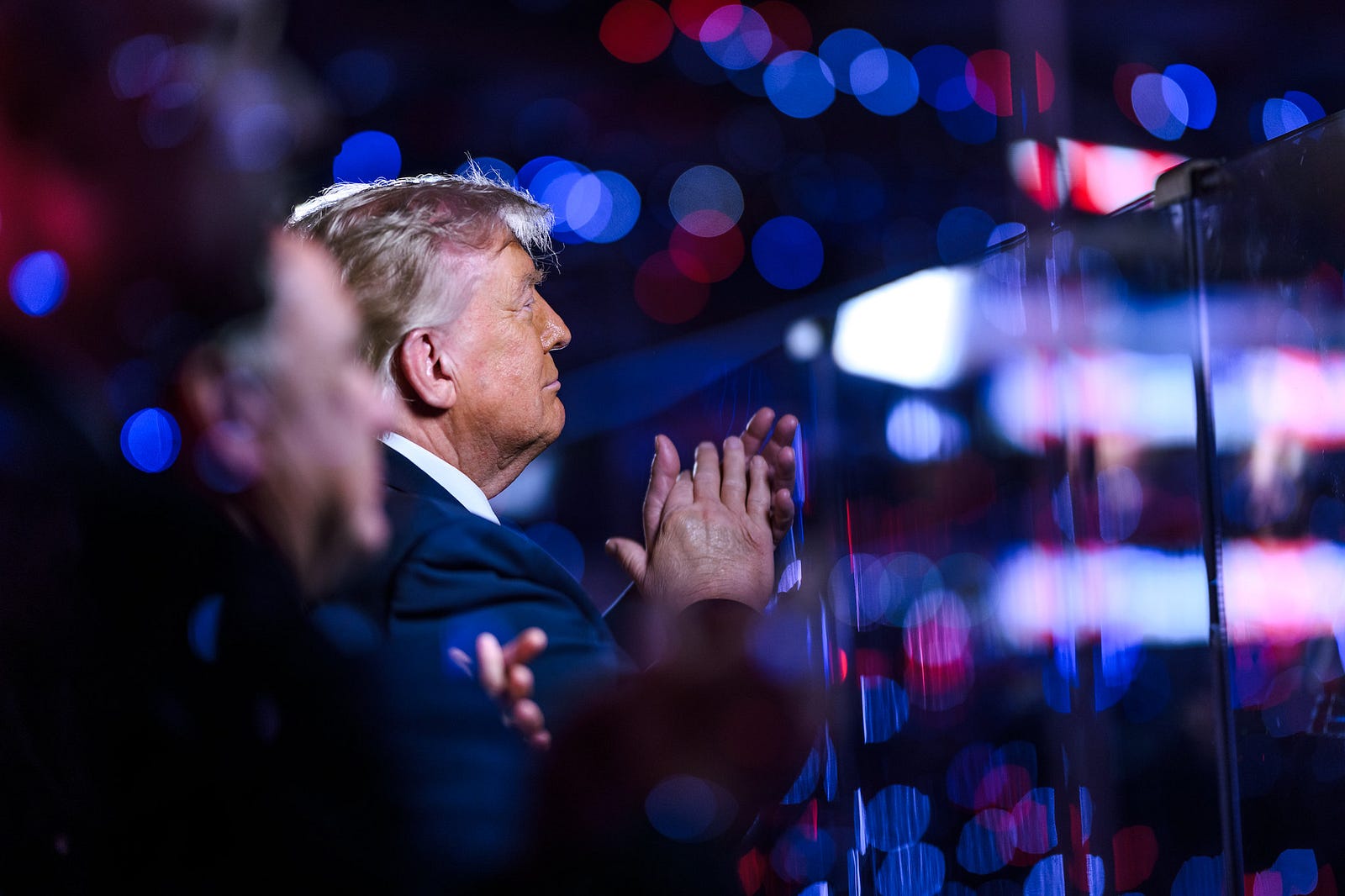
President Trump now says a “great settlement” with Iran could be signed soon, possibly this weekend in Europe. He also says the Strait of Hormuz will reopen once the agreement is signed. Vice President JD Vance could reportedly sign for the United States.
Iran, meanwhile, is doing what Iran usually does: denying that anything is final, insisting on its red lines, and trying to preserve as much leverage as possible until the last possible moment.
But the distance between those two positions may be smaller than it looks.
The reports now suggest that the two sides are no longer arguing over whether there should be a deal, but over how the deal is structured. That is a major shift.
Frozen Iranian funds, the reopening of Hormuz, and the framework for nuclear talks appear to be the central issues. Those are serious matters, but they are also the kinds of issues negotiators can actually solve. That is very different from the earlier stage of this conflict, when Iran seemed determined to test every American red line and the United States seemed one Iranian mistake away from a much broader war.
Iran may not say so publicly, but it has reasons to want out.
Its economy is under enormous strain. Its leadership has been beyond decimated. Its proxies are weakened or destroyed. Its ability to intimidate the region has been reduced. The war has not produced a glorious anti-American uprising or a regional realignment in Tehran’s favor. It has produced more isolation, more danger, and more pressure on the regime at home.
Trump also has reasons to take the deal if it is real.
He has been consistently clear that Iran cannot have a nuclear weapon. He has also been clear that attacks on American troops are a red line. After the helicopter incident, he responded militarily, then kept the door open diplomatically. That combination may be what brought this moment about. Force alone rarely produces peace. Diplomacy without force often produces delay. Together, they may have produced an opening.
The best-case version is straightforward: Iran agrees to reopen Hormuz, the United States lifts or eases the blockade in exchange for concrete steps, frozen money is released in controlled stages, and a 60-day negotiating period begins over the nuclear program. Israel, a long-term and trusted American ally, will understandably want hard assurances: removal of enriched nuclear material, dismantling of enrichment infrastructure, limits on missile production, and an end to Iranian support for terrorist proxies. Those questions will not be solved in a weekend. But they can be put into a process backed by pressure.
Skeptics are right to be skeptical, however. With good reason.
Iran has a long history of delay, denial, and bad faith. A memorandum of understanding is not a peace treaty. Tehran’s public hesitation may be a bargaining tactic, but it could also be a warning that the deal is not done.
Still, this is the most hopeful moment in the crisis so far. The fighting has reached the point where both sides can see the cost of continuing. Trump appears to believe he has extracted the central concession he wanted: a commitment that Iran will not get a nuclear weapon. Iran appears to be looking for a way to survive the confrontation without admitting defeat.
If this agreement is signed, the crisis will not be over forever. Iran will remain dangerous. Hezbollah will remain a problem. The nuclear question will still require hard verification, not happy talk.
But an end to the immediate war would still be a breakthrough. It would mean Hormuz reopened, American troops safer, oil markets calmer, and Iran pushed back to the table after crossing a line it should never have crossed.
For now, hope is warranted. Caution is too. But for the first time in a long time, hope is not naive.
(Contributing writer, Brooke Bell)